CYDT implemented a digital storytelling and online engagement campaign from February to July 2025 across Beitbridge, Gwanda and Umzingwane targeting young women and youth in a busy border province where misinformation about health and sexual and reproductive health and rights (SRHR) was increasingly circulating on social media platforms. Many young women were exposed to misleading content that discouraged them from accessing healthcare services, including false claims about clinics, contraceptives, and medicines. As a result, some experienced confusion and uncertainty about reliable sources of health information.
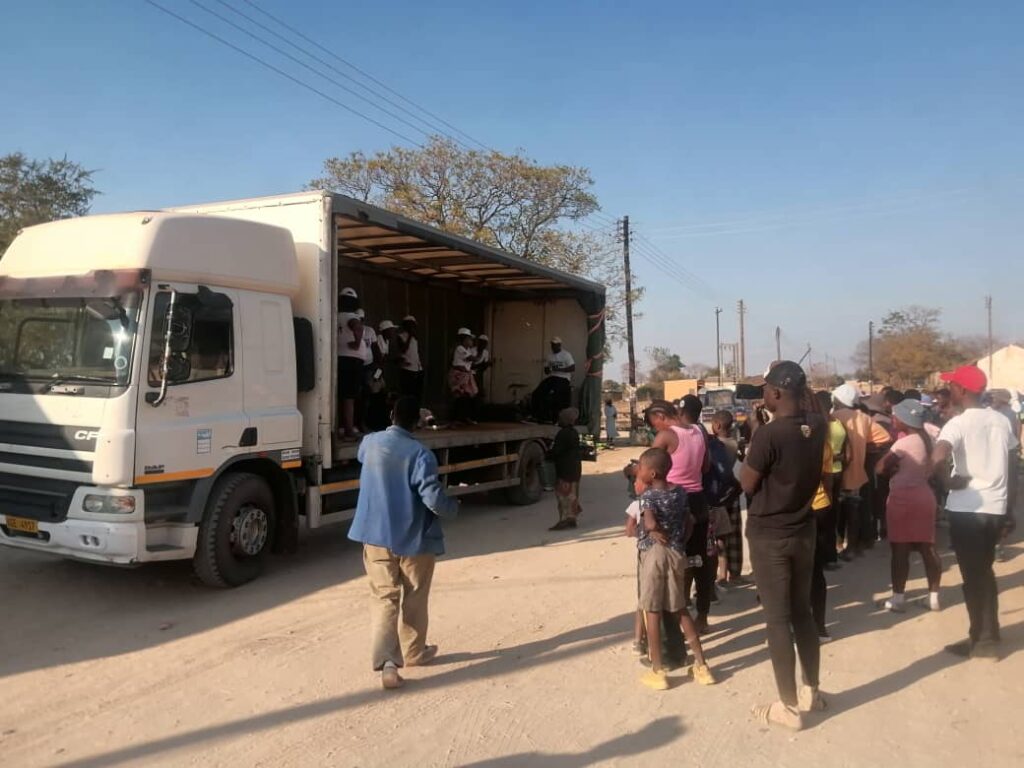
To address this challenge, CYDT collaborated with local creatives to develop interactive stage performances and short dramatized stories that translated key SRHR messages into accessible and relatable formats. These performances focused on correcting misinformation, explaining bodily health changes, and reinforcing the importance of accessing verified health services and information.
Following one of these community performances, a 19-year-old young woman named Nobuhle initiated further discussion with her peers and suggested the creation of a WhatsApp-based peer support group to continue conversations around SRHR in a safe and accessible space. CYDT supported the formation of the group, which became an ongoing digital peer learning platform where young women engaged weekly in discussions about reproductive health, decision-making, relationships, and peer pressure.
Within this digital space, participants were able to ask questions freely and privately, without fear of judgment or stigma. The platform provided a safe environment where young women could clarify misinformation, share experiences, and receive accurate SRHR information from trained facilitators.
CYDT ensured that all shared content remained clear, factual, and youth-friendly, emphasizing the rights of young women to access accurate health information, make informed decisions, and protect their wellbeing. The use of mobile platforms allowed participants to engage consistently from their own environments, strengthening accessibility and continuity of learning.
The initiative contributed to increased digital engagement, with more young women joining and actively participating in the WhatsApp-based peer support network over the implementation period.
Nobuhle reflected on the experience, saying:
“Before this initiative, social media often left me confused because of the misinformation circulating about health. Through CYDT’s programme, I learned how to identify accurate information and support others in doing the same. Now, our WhatsApp group helps us stay informed, ask questions safely, and support each other with reliable knowledge.”
Through digital storytelling and peer-led online engagement, CYDT continues to strengthen young women’s access to accurate SRHR information and promote safe, informed decision-making in digital spaces.