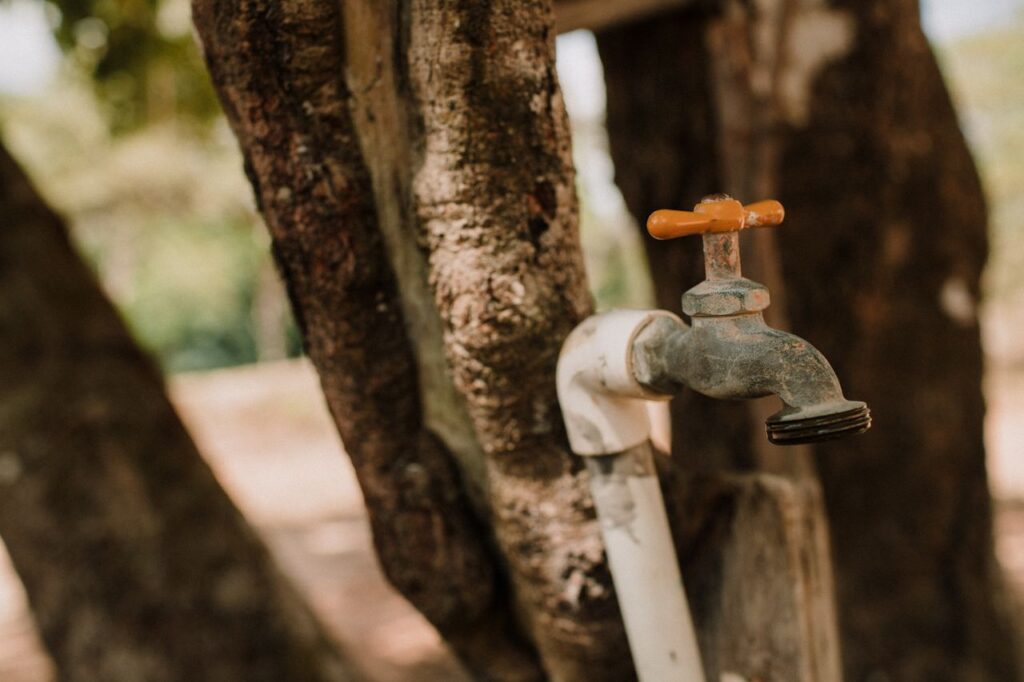
In Gwanda, water does not simply come from a tap.
It comes from waiting.
From listening for pipes that stay silent.
From waking up hoping that today might be one of the few days when water briefly returns.
For many residents, water shedding has become a permanent condition rather than an emergency response. Entire suburbs go for days without running water. When it does come, it arrives late at night or in the early hours of the morning, forcing households to wake up, fill buckets, drums, and any container they can find, unsure when the next drop will flow again.
This reality has reshaped daily life. Hygiene is compromised. Clinics struggle to maintain sanitation. Small businesses that rely on water operate on guesswork due to inconsistent water shedding hours. Yet water bills continue to arrive, sometimes based on estimates rather than actual usage, leaving residents paying for a service they did not receive.
Water service delivery challenges in Gwanda already exposes a deep contradiction with Section 77 of the Constitution of Zimbabwe, which guarantees every person the right to safe, clean, and potable water. While the Constitution acknowledges progressive realisation within available resources, the prolonged absence of water for days at a time raises a hard question; can a right still be called a right when access is irregular, unpredictable, and unequal?
It is within this context that the proposal to introduce prepaid water meters in Gwanda has ignited intense debate, concern, and reflection among residents, community leaders, youths, and civil society actors.
A Fragile Recovery Meets a New Proposal
Gwanda’s water challenges are not new. For years, residents and civil society organisations have raised alarm over water governance, infrastructure decay, and accountability failures. The situation reached a critical point when the Zimbabwe National Water Authority managed the water treatment plant, a period many residents associate with worsening water access and limited responsiveness.
In response, community-based organisations, civil society organisations, and residents mobilised. CYDT stood alongside Gwanda residents and CSOs in demanding that water provision be returned closer to the people it serves. Through sustained advocacy, engagement, and pressure, these efforts contributed to the handover of the water treatment plant from ZINWA to the Municipality of Gwanda.
For many, this was not just an administrative change. It was a symbolic victory; proof that organised community voices can influence decisions that affect everyday survival. It is against this background that the proposed rollout of prepaid water meters has triggered fears that hard-won gains might be undermined.
During a high-level WhatsApp discussion involving stakeholders, CSO leaders and members, community leaders, youths, and residents from Gwanda, one question shifted the entire conversation;
“Is there a substitute for water for those who cannot pay?”
The question landed heavily. From a health and practical standpoint, water has no substitute. Other liquids may hydrate, but they cannot replace water for cooking, sanitation, hygiene, and dignity. This fact turned the discussion from a technical debate into a moral and constitutional one.
Participants began interrogating whether prepaid water systems, which automatically cut off supply when credit runs out, are compatible with a constitutional right that is meant to be guaranteed, not conditional.
A community member argued that prepaid meters may work in theory, but in practice they punish poverty. When income is irregular, water becomes something to be rationed, delayed, or sacrificed entirely. Another resident questioned whether introducing a system that restricts access upfront does not amount to economic exclusion; a form of elitism where only those with steady income enjoy uninterrupted access to a basic necessity.
Optional or Imposed?
A dominant theme that emerged from the discussion was choice.
Several voices stressed that prepaid water meters should never be imposed on residents. One participant noted that while prepaid systems might help some households manage consumption or avoid inflated estimates, forcing everyone onto the same system ignores economic diversity within the town.
A CSO member highlighted that consent matters, especially when a service touches on a fundamental right. Introducing prepaid meters without broad, meaningful consultation risks violating the principles of administrative justice and participation enshrined in the Constitution.
Another participant suggested that if prepaid systems are to be introduced at all, they should be limited to commercial entities and government departments, which consume large volumes of water and have more stable financial capacity. Residential areas, particularly those with vulnerable households, should retain alternatives.
This distinction revealed a deeper concern; the fear that efficiency and revenue collection are being prioritised over equity and access.
Billing, Revenue, and Trust Deficits
Not all participants opposed prepaid meters outright. Some residents shared painful experiences of being billed for water they never received, sometimes for months or even years. For them, prepaid systems appeared attractive because they promise fairness; pay only for what you use.
However, even among those open to prepaid meters, conditions were clear. Pricing must be fair. Tokens must not expire. Systems must not replicate past injustices under a new name. And crucially, water must not become inaccessible simply because a household has temporarily run out of money.
This revealed a deeper issue; the debate is not only about technology, but about trust.
Years of inconsistent supply, unexplained bills, and limited accountability have eroded confidence in water authorities. Without addressing this trust deficit, any new system risks being viewed as another tool for revenue extraction rather than service improvement.
One resident captured this sentiment bluntly by questioning whether the economics of prepaid water have been properly validated, or whether the system is simply an “open secret” designed to improve revenue collection without fixing supply gaps.
Water Is Not Electricity
A powerful comparison emerged during the discussion; electricity.
Some participants argued that prepaid electricity systems have been accepted nationally, so why not prepaid water? The counterargument was immediate and striking. Electricity, while essential, is not constitutionally guaranteed in the same way as water. Many households survive without electricity, but no one can survive without water.
As one participant put it, “I have lived many years without electricity, but I cannot live without water.”
This distinction reframed the debate. Treating water purely as a commodity risks stripping it of its human rights character, transforming access into a privilege rather than a guarantee.
Elitism and Exclusion
The discussion also interrogated elitism; not as an abstract concept, but as lived exclusion.
Elitism, in this context, was described as decision-making that centres the voices of those who can afford, while sidelining those who struggle. It manifests when policies assume steady income, digital literacy, and financial buffers that many residents do not have.
Prepaid water systems, if imposed without safeguards, risk deepening inequality. Households with money enjoy uninterrupted water, while those without are cut off instantly, often without warning, appeal, or alternatives.
This reality clashes sharply with the constitutional promise of equality and dignity.
A Pattern of Hope Through Unity
Despite the intensity of the debate, one thread remained consistent; belief in collective power.
Participants repeatedly referenced past successes, particularly the campaign that led to ZINWA handing over the water treatment plant. That victory was not achieved by a single organisation or individual, but by a united front of CBOs, CSOs, and residents speaking with one voice.
CYDT’s role in standing with communities, amplifying resident voices, and challenging institutions demonstrated that change is possible when people organise around shared interests and rights.
The current discussions around prepaid water meters signal that same spirit re-emerging. High-level engagements are already taking place. Questions are being asked. Positions are being formed. Importantly, residents are no longer passive recipients of policy decisions; they are active participants shaping the future of water governance in Gwanda.
Conclusion: The Question That Remains
The debate over prepaid water meters is not simply about billing systems. It is about values. About whether efficiency can coexist with equity. About whether technological solutions can respect human dignity. And about whether constitutional rights remain meaningful when mediated by ability to pay.
Gwanda’s water challenges existed long before prepaid meters were proposed. Introducing a new system without first resolving supply inconsistencies risks shifting blame onto residents rather than fixing structural failures.
Yet history shows that when communities organise, engage, and speak collectively, outcomes can change. The handover of the water treatment plant stands as proof.
As Gwanda navigates this new chapter, one truth remains clear; water is life. And decisions about water must centre the lived realities of those who depend on it daily.
The discussions unfolding today suggest that once again, a united front of residents, community leaders, and civil society may shape a more just, inclusive, and constitutional path forward.
The taps may still be dry for now, but the voices are flowing.