The road to winning a young person’s mind and changing how they look at life is not a simple walk in the park. To really get through to them, one needs to use what they love most, and entertainment is centrally one of them.
For a long time, many programs that try to teach young people about sexual and reproductive health rights (SRHR) have been too formal. They usually take place in quiet community halls or setups that feels like a school classroom. Because of this, many young people stay away because they do not want to sit through long, dry lectures. Rural youth, in particular, face many challenges, like walking long distances to school, which can make formal learning feel like a burden. While schools can force children to attend classes, community organizations have no right to force anyone to attend their meetings.
To beat this challenge, the Community Youth Development Trust (CYDT) came up with a creative plan: the edutainment strategy. Edutainment simply means bringing education and entertainment together in a fun way. When done right, this approach easily catches the attention of young people. It allows them to learn about serious health issues without even realizing that they are in a lesson.
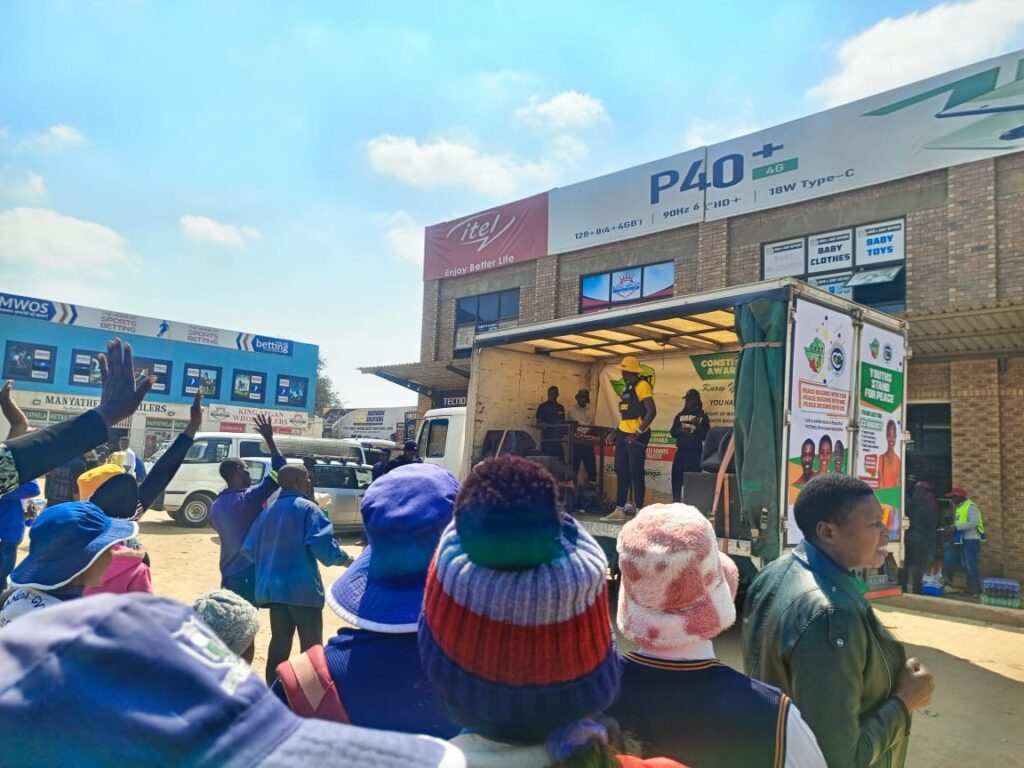
To make these events lively and exciting, CYDT teamed up with talented local artists from Matabeleland South. Well-known musicians like the rapper Sbhevara, as well as Kwaito stars Khoi Khoi and Kadder, stepped up to join the campaigns. Fun shows like the Madlela Sikhobokhobo music concert and open-air roadshows completely changed the atmosphere. Instead of being told to sit down and be quiet, young people were given a free space where they could sing, dance, laugh, and speak openly about SRHR issues of interest.
Bringing local stars into the project brought a wonderful energy that rural youths really needed. Even during difficult times like the COVID-19 pandemic, young people and community elders came out in large numbers. While following all health safety rules, everyone stood together to listen, enjoy the music, and interact safely.
The best part of these roadshows was that they did more than just entertain. They gave both the youth and the elders a comfortable platform to speak up about their local health struggles. Young people safely shared challenges they face daily when trying to access health services. By using music and dance, CYDT broke down walls, proved that learning about health can be joyful, and successfully put vital information into the hands of the youth.