….Following CYDT Empowerment Drive
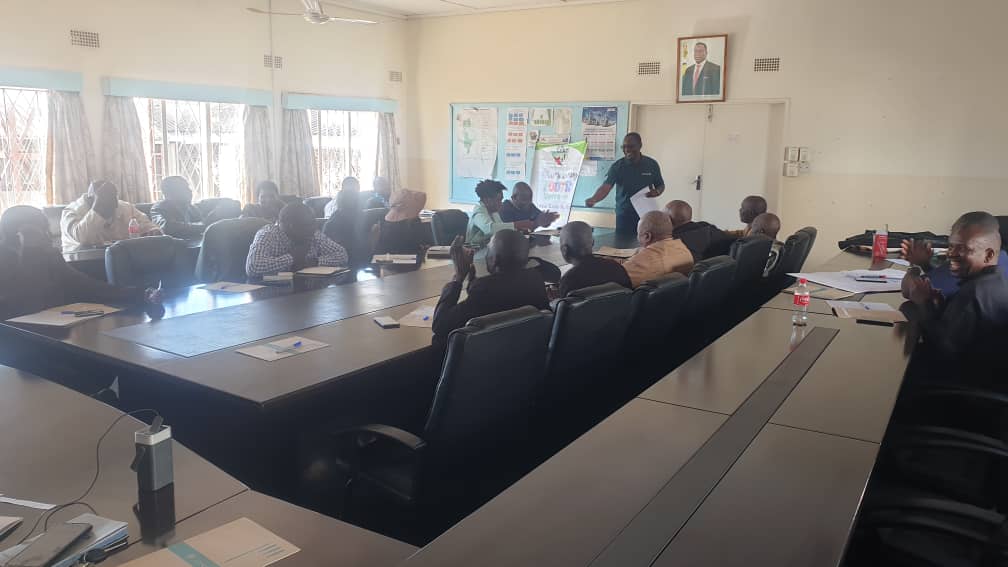
In a remarkable shift in local governance, women across Gwanda town and surrounding rural wards turned out in unprecedented numbers for the local authority’s annual budget consultation sessions held in late November 2025. Historically, civic planning and fiscal consultations in Matabeleland South were dominated by male community elders, while female residents remained confined to domestic spheres or informal home craft activities. However, following a series of gender mainstreaming workshops conducted by the Community Youth Development Trust (CYDT), women are actively asserting their constitutional rights and reshaping local spending priorities.
The shift began after CYDT launched targeted civic education drives to sensitize women on how municipal resource allocation directly impacts their daily living conditions. Local organizers sensitized community members on the necessity of participating in fiscal discourse rather than viewing public policy as a purely male domain. Driven by these educational efforts, female residents attended municipal meetings in Ward 4 and Ward 6, directly questioning council administrators about capital expenditures on primary healthcare, clean water access, and market sanitation.
For many women in Gwanda, breaking into these civic spaces meant overcoming deeply entrenched societal expectations. Under colonial structures and preserved customary frameworks, African women were frequently designated as legal minors, isolated in rural zones and systematically excluded from urban civic institutions. CYDT challenged these lingering cultural myths and stereotypes by training female community leaders to understand local government financial cycles and draft gender-sensitive policy proposals.
”In past years, council officials brought completed budgets to us simply for rubber-stamping, and women rarely spoke or even attended,” explained Nomalanga Sibanda, a Gwanda market trader who participated in the November 2025 consultation. “After training with CYDT, we realized that if we do not demand clean running water and safe street lighting in the municipal budget, no one else will prioritize our safety and health. Now, we sit at the front of the room, inspect the draft estimates, and demand that municipal spending reflects our needs as women.”
Local authority officials noted that the active inclusion of female voices led to concrete adjustments in the municipal financial plan for 2026. Allocations for refurbishing public ablution facilities at high-density bus terminals and funding maternal healthcare clinics were prioritized after intense advocacy from female participants. The executive leadership of CYDT highlighted that enabling women to directly engage public officials forms the core of true gender responsive budgeting. By transforming passive residents into active civic advocates, CYDT continues to dismantle historical barriers and establish gender parity across Matabeleland South.
ENDS////